Cycling The Portuguese Camino

A Camino de Santiago with an identity deeply rooted in Portuguese and Galician culture.

It is an ideal option for those looking for a Camino de Santiago by bike with a character of its own, with an identity deeply rooted in Portuguese and Galician culture. Covering around 620 km from the Portuguese capital to Santiago de Compostela, this itinerary combines heritage, gastronomy, nature and tradition on a journey through the heart of Portugal and Galicia.

Physical Difficulty

Medium

Technical Difficulty

Medium

Approximate Distance

625 km

Elevation

+23.9k -23.6k

Main Surface

Very varied (asphalt, dirt, stone)

Recommended Bike Type

Gravel, Trekking, MTB, E-Bike

Highlight

Local culture and gastronomy

Best Time to Go

Spring and Autumn (avoid peak season)

The best routes on The Portuguese Camino

Stages of The Portuguese Camino

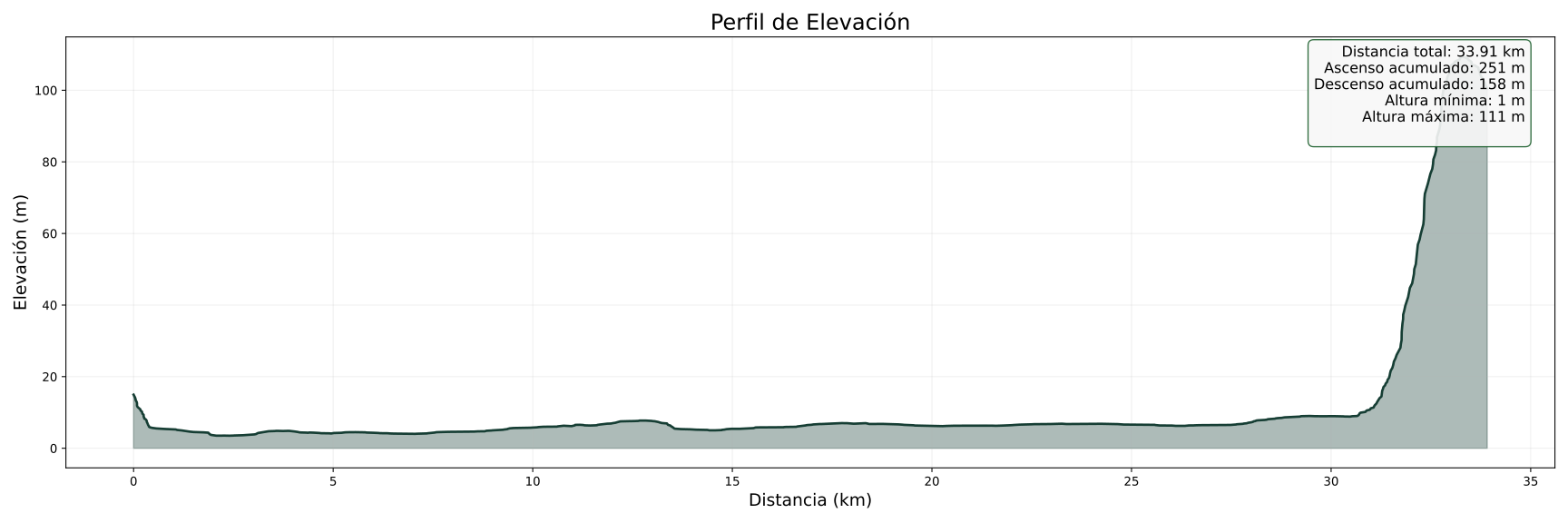
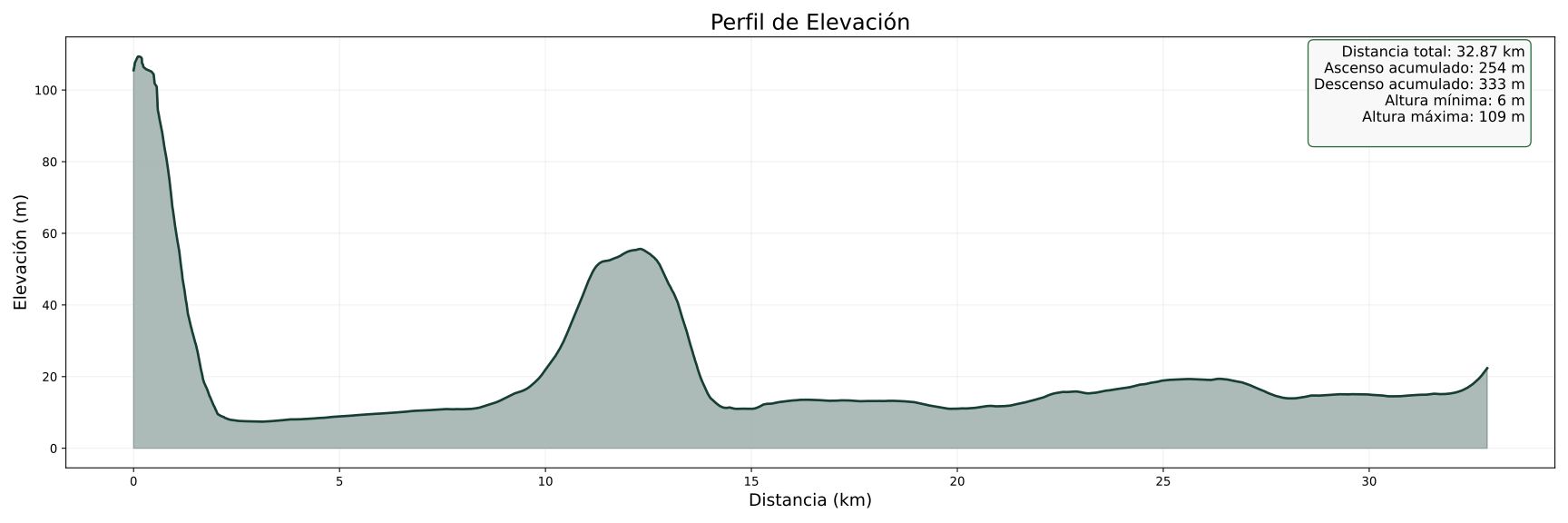
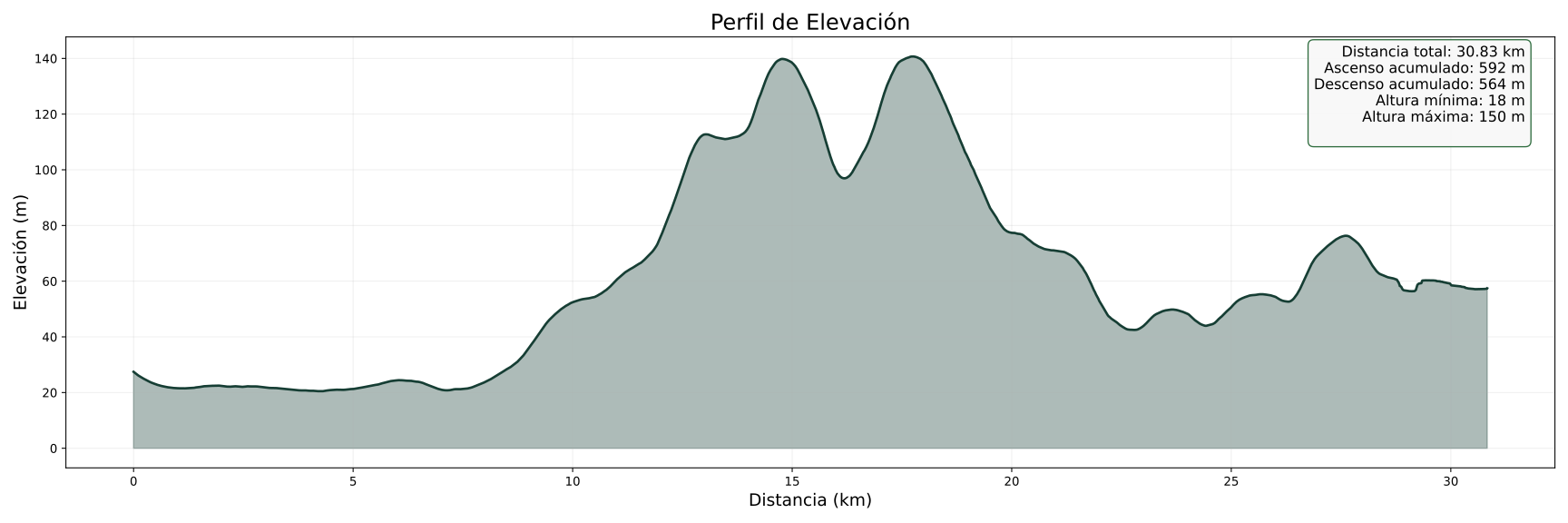
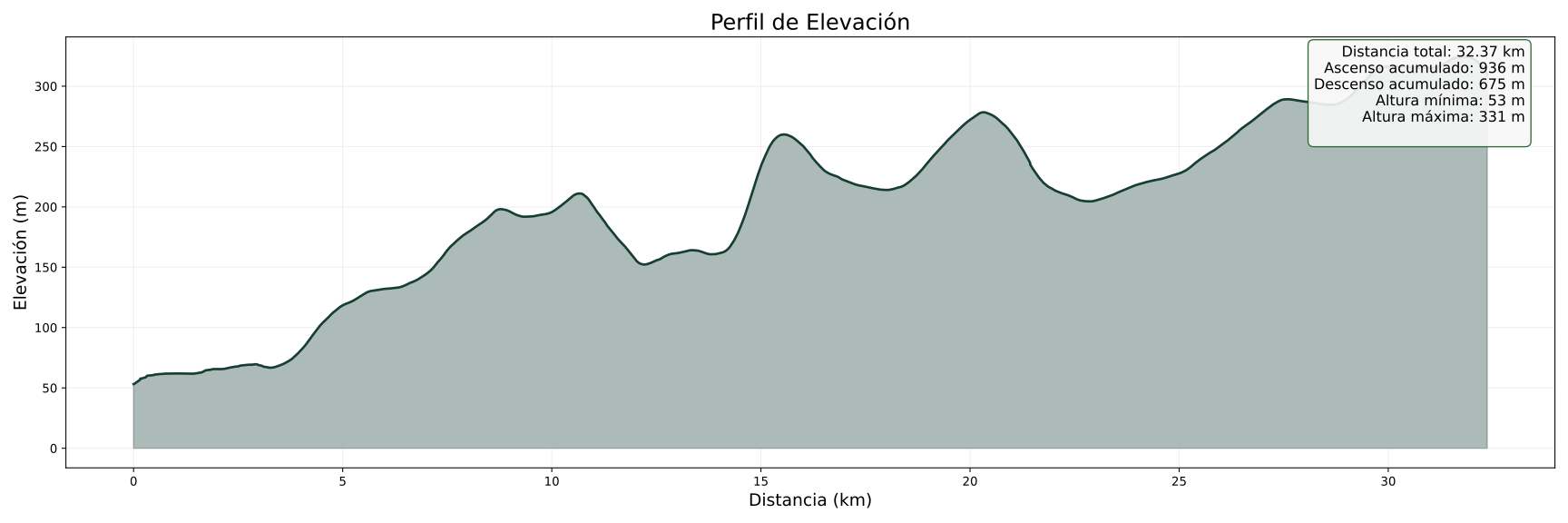
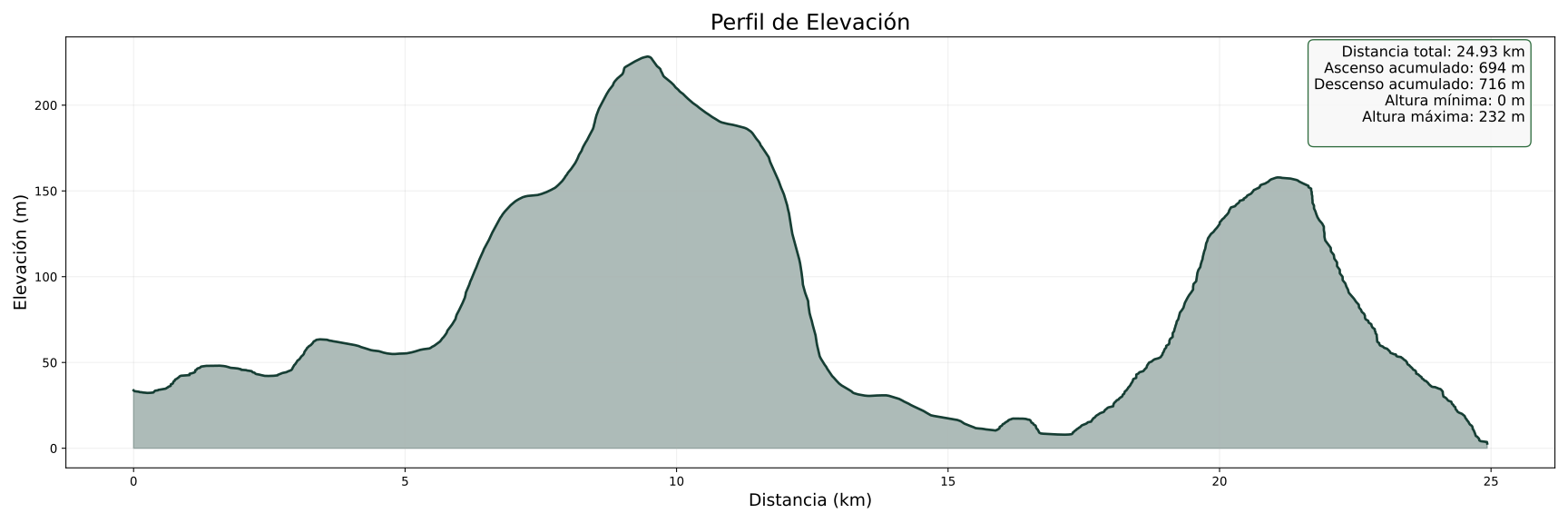
Km: 62 km

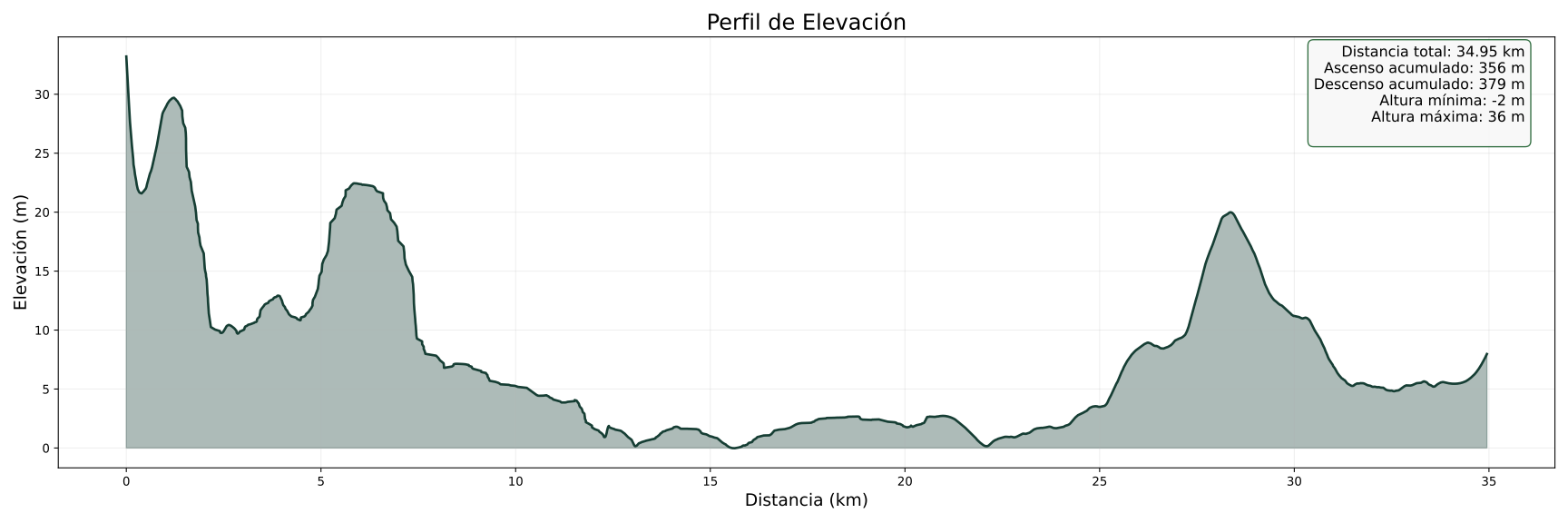
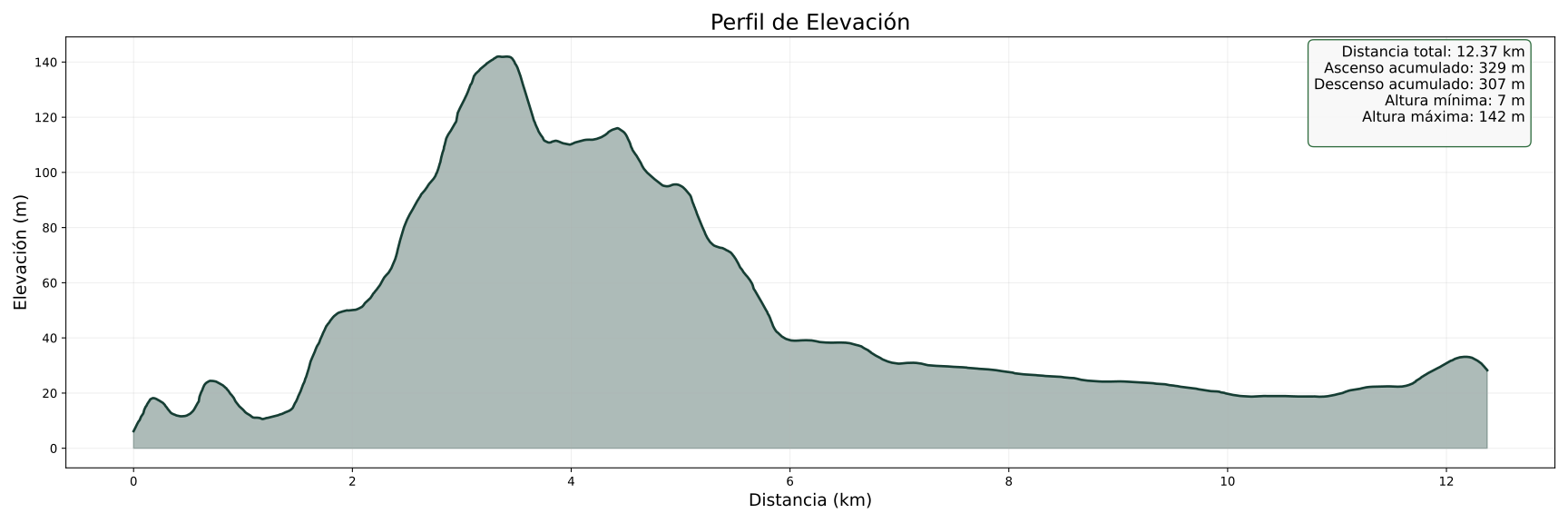
Km: 34km

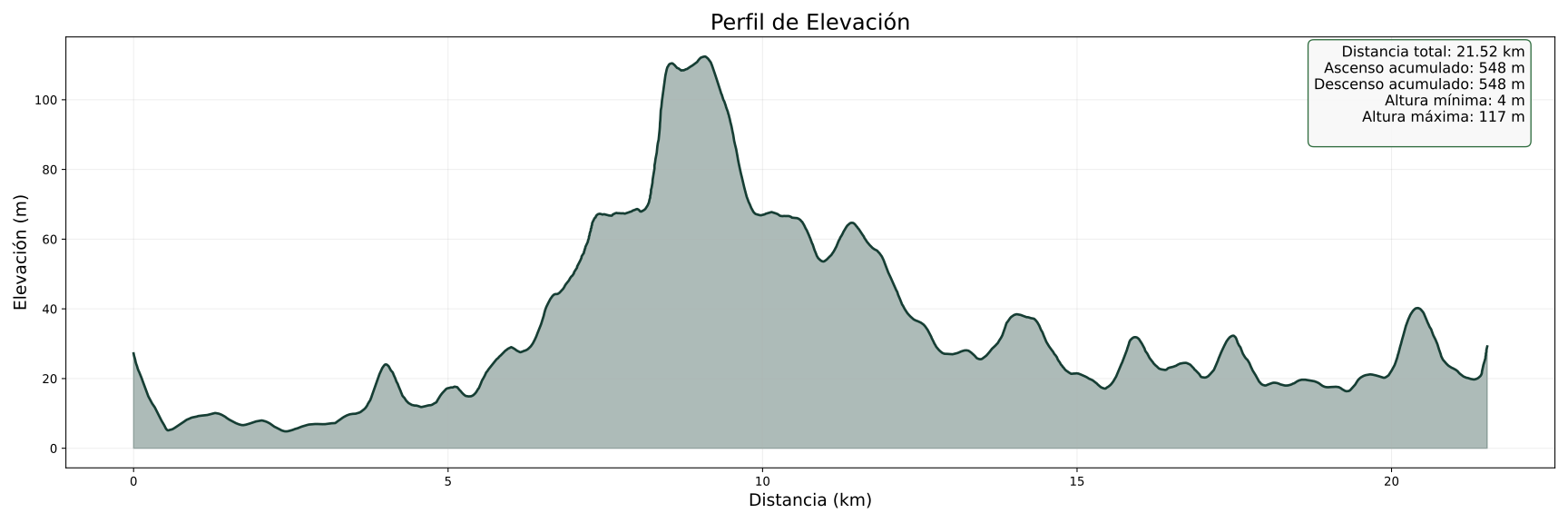
Km: 66km

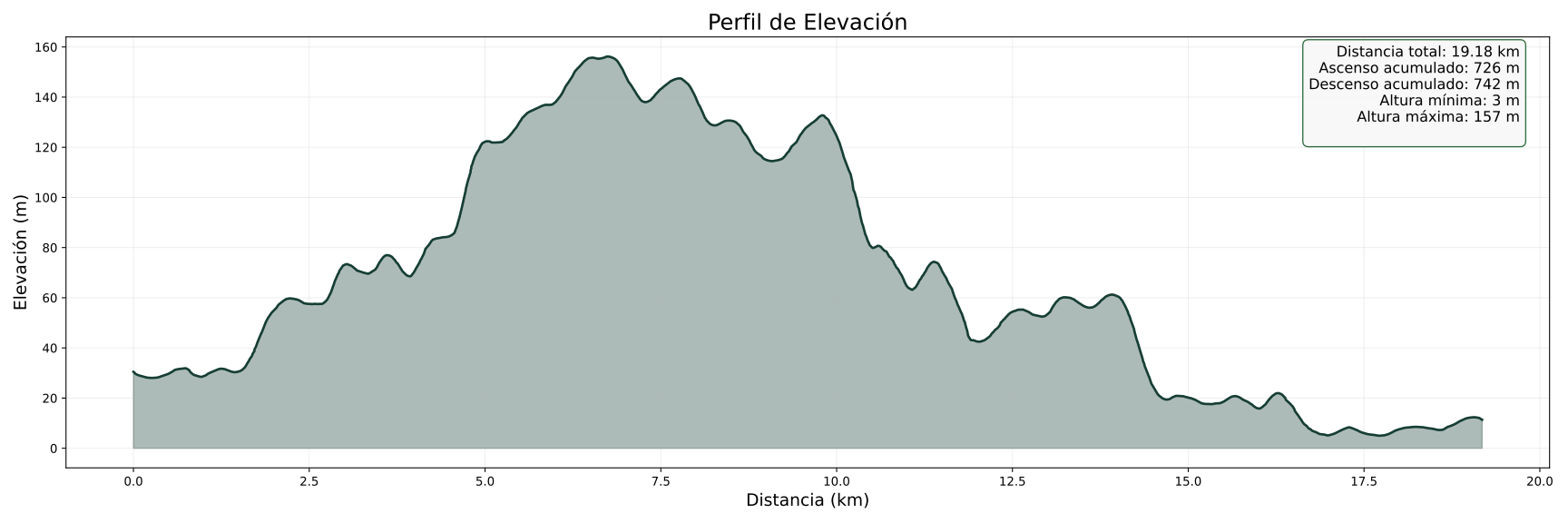
Km: 55km

Km: 37km

Km: 50km

Km: 64km

Km: 43km

Km: 46km

Km: 55km

Km: 40km

Km: 54km

Km: 40km

Km: 26km

Customer reviews

Camino Portugués: A Must-Visit (Obrigada!)

Enjoy a Journey to the Centre of Portugal: immerse yourself in Portuguese culture and nature, and savour the flavours of the land.

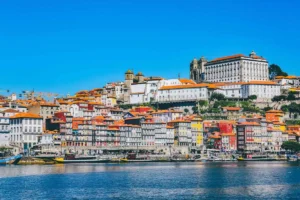
The Portuguese Central Way starts in Lisbon, the “City of Light”, a place shaped by centuries of Atlantic history and an incomparable cultural heritage. From there it heads north along a traditional route that links some of Portugal’s most iconic towns, such as Santarém, Tomar, Coimbra and Porto.

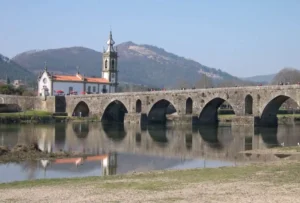
The route follows ancient Roman and medieval roads and continues through historic towns such as Ponte de Lima, Valença and Tui, right on the border with Galicia. On its final section, from Redondela, the itinerary joins the Coastal Route, guiding cyclists through Pontevedra and Padrón before the long-awaited arrival in Santiago de Compostela.

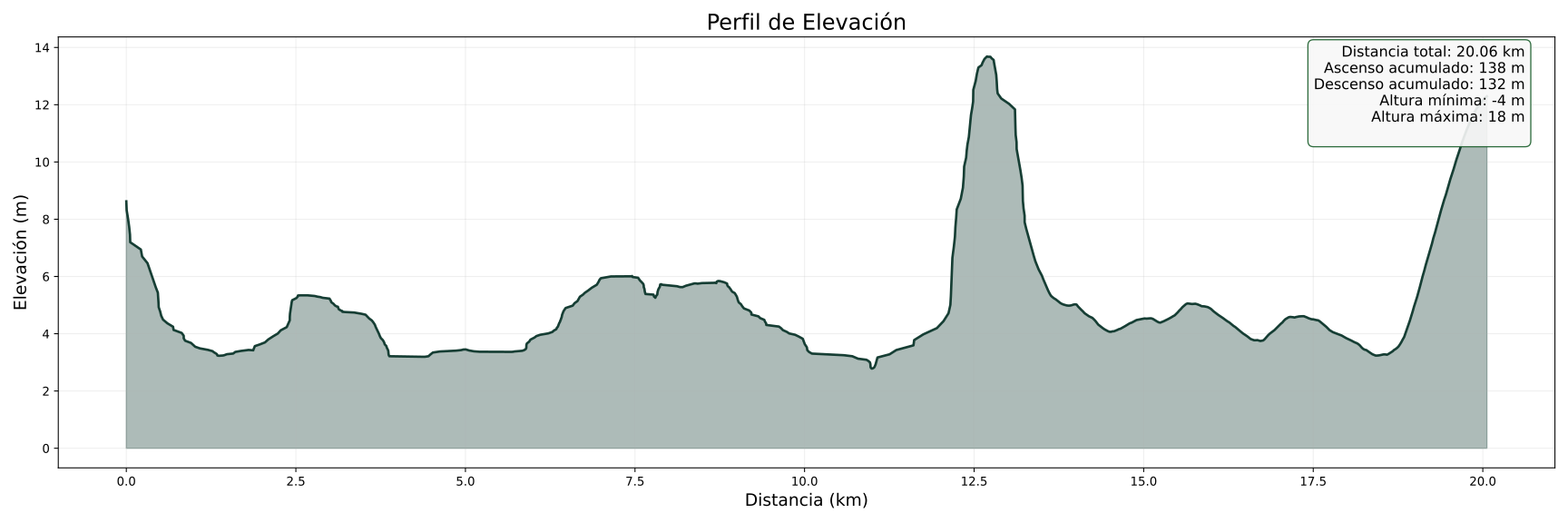
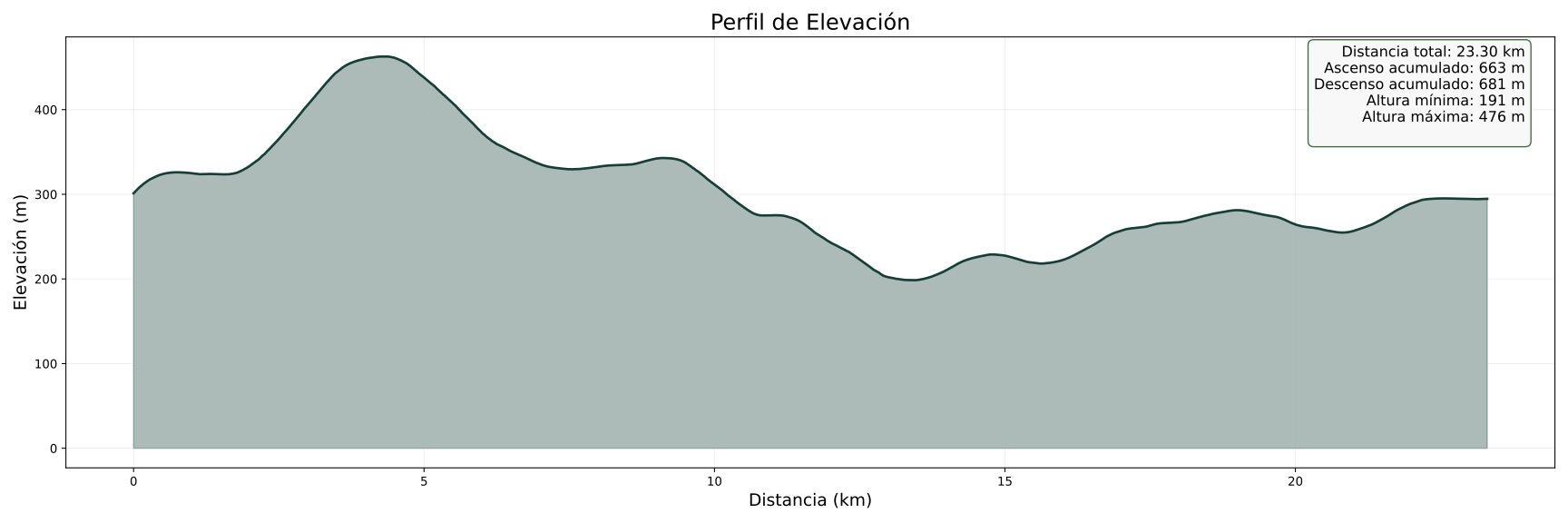
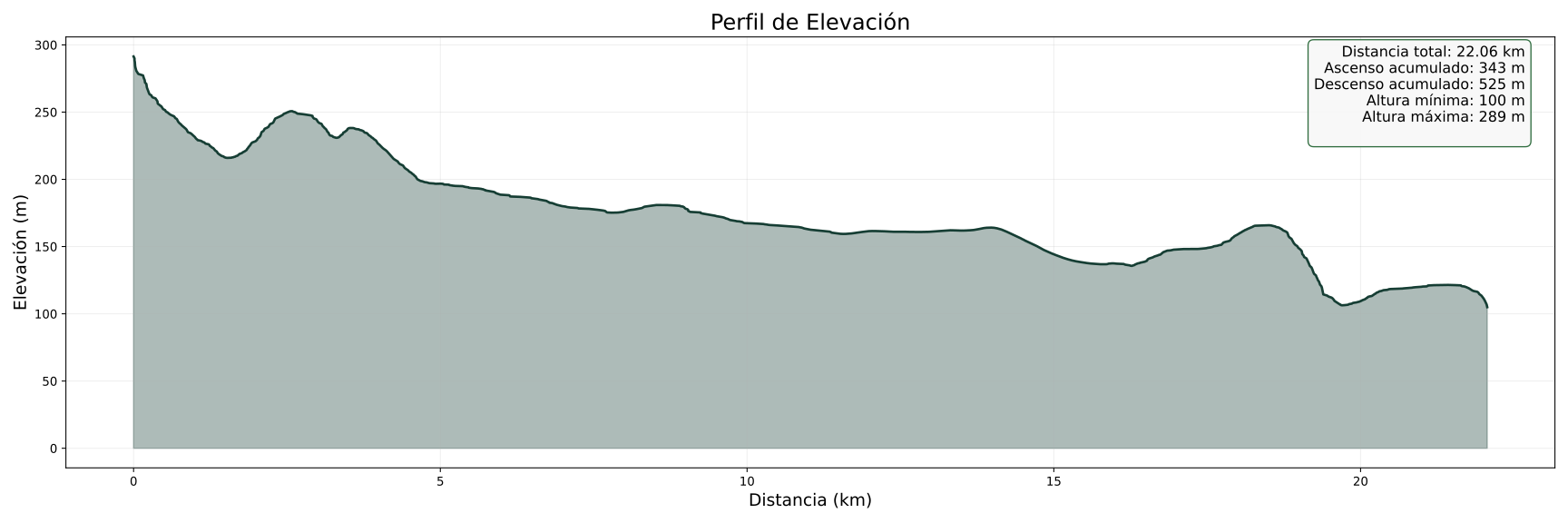
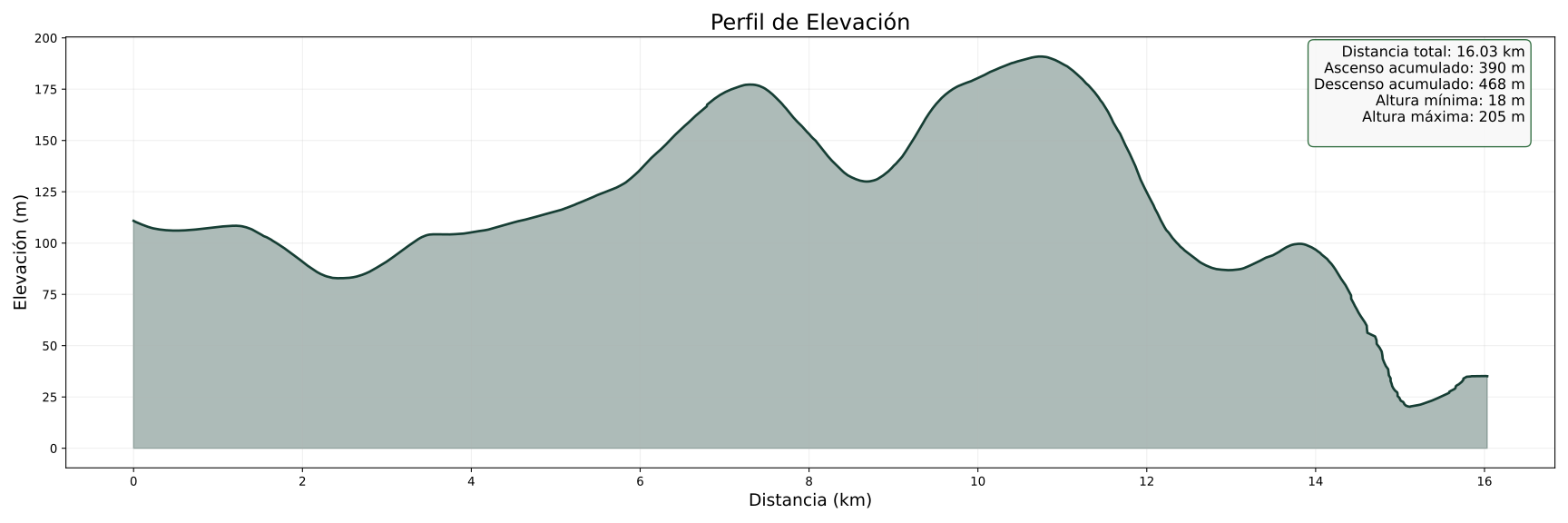
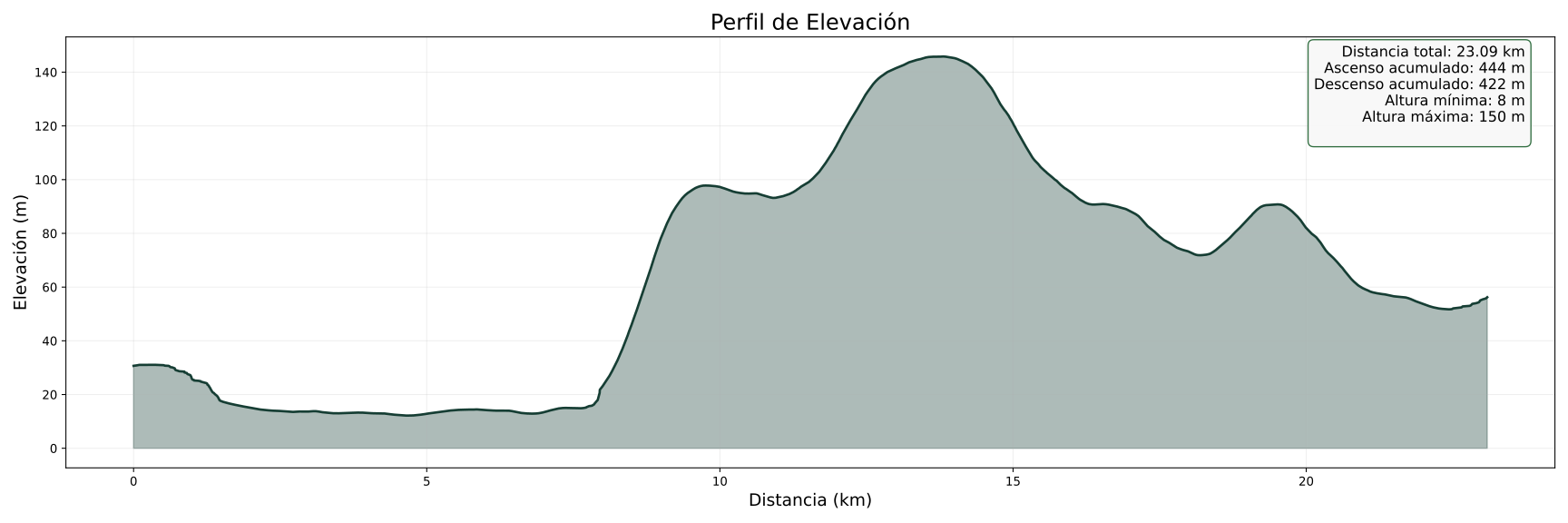
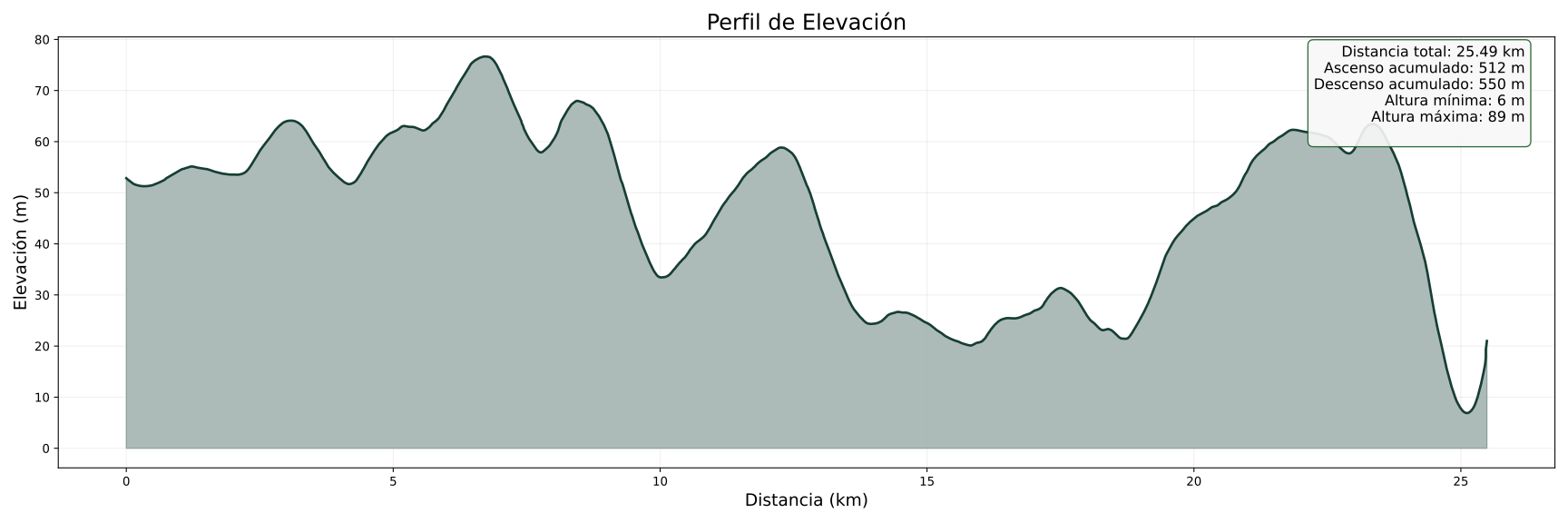
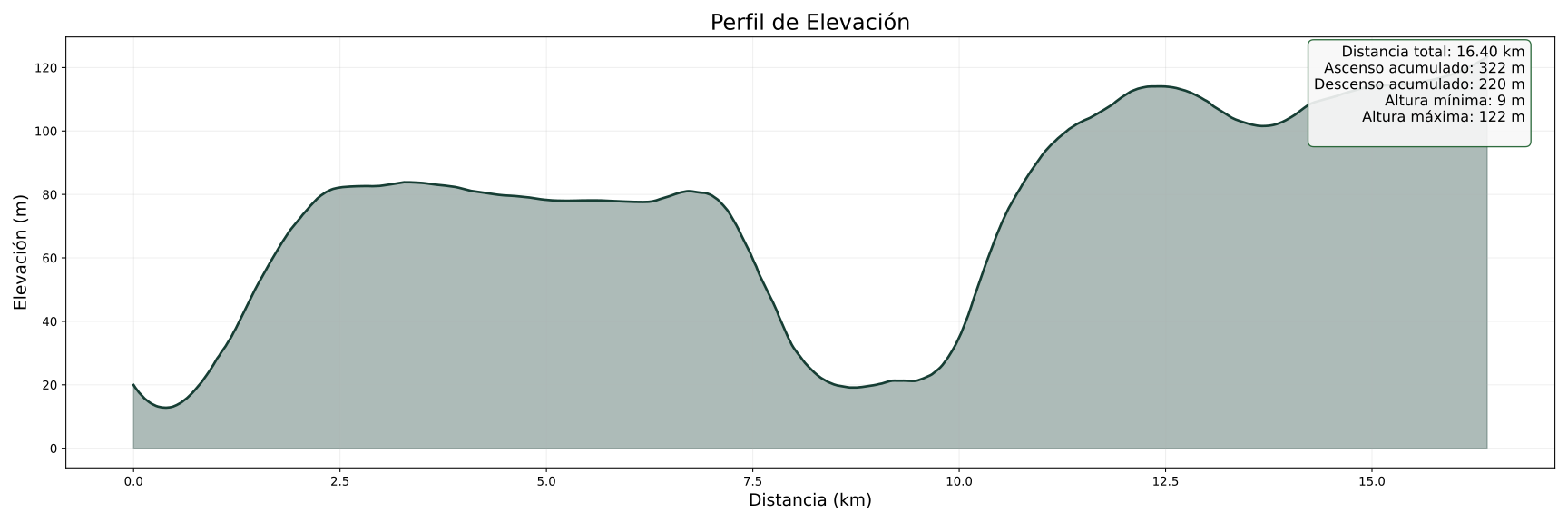
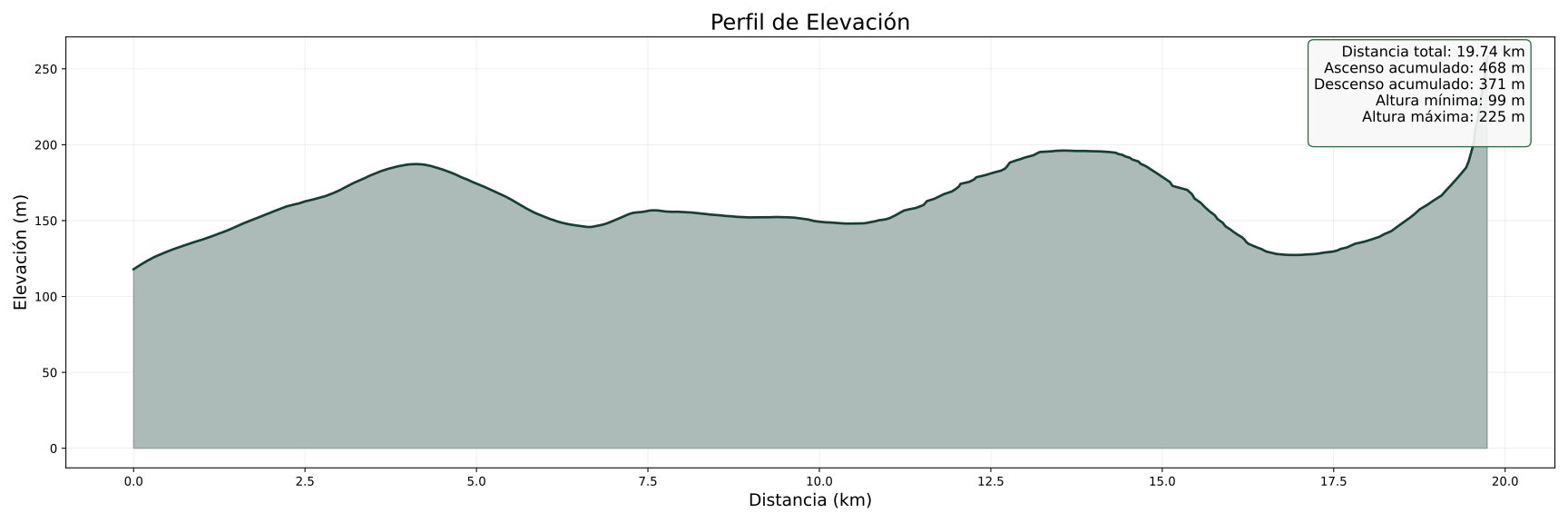
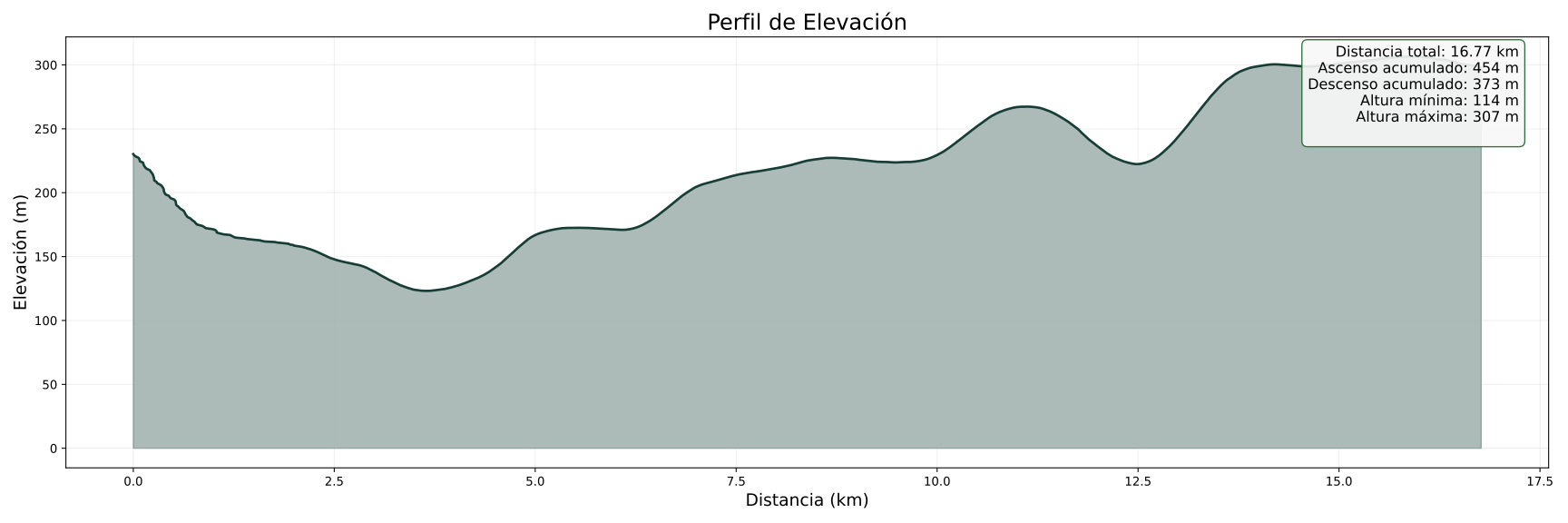
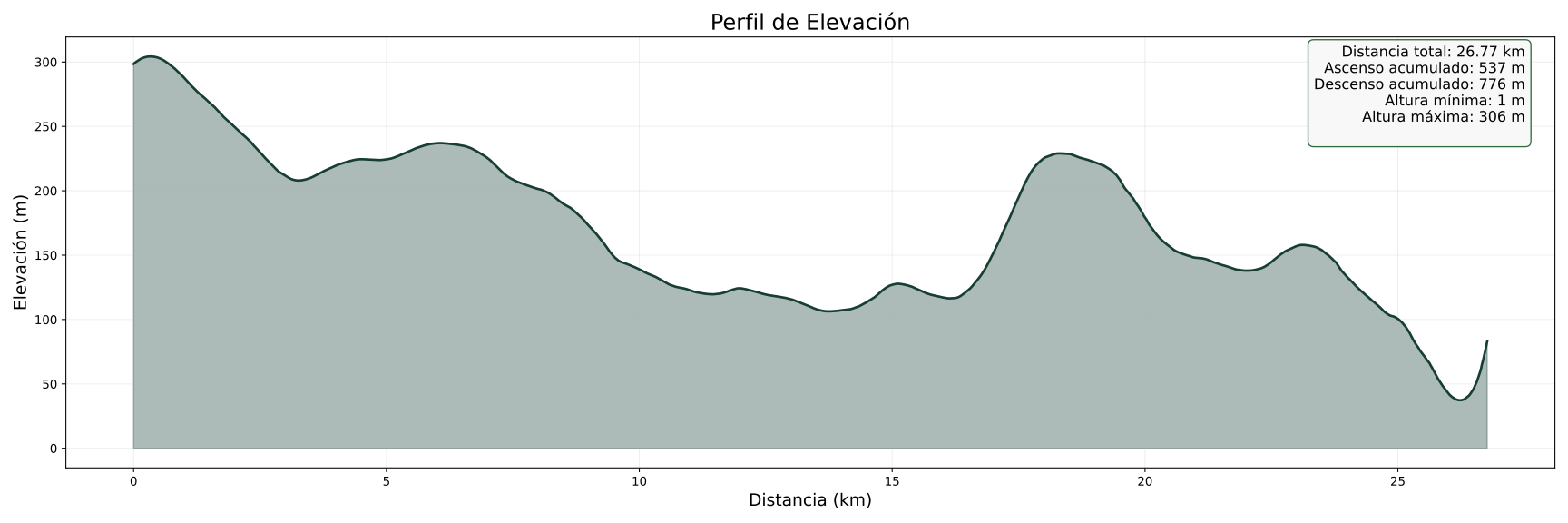
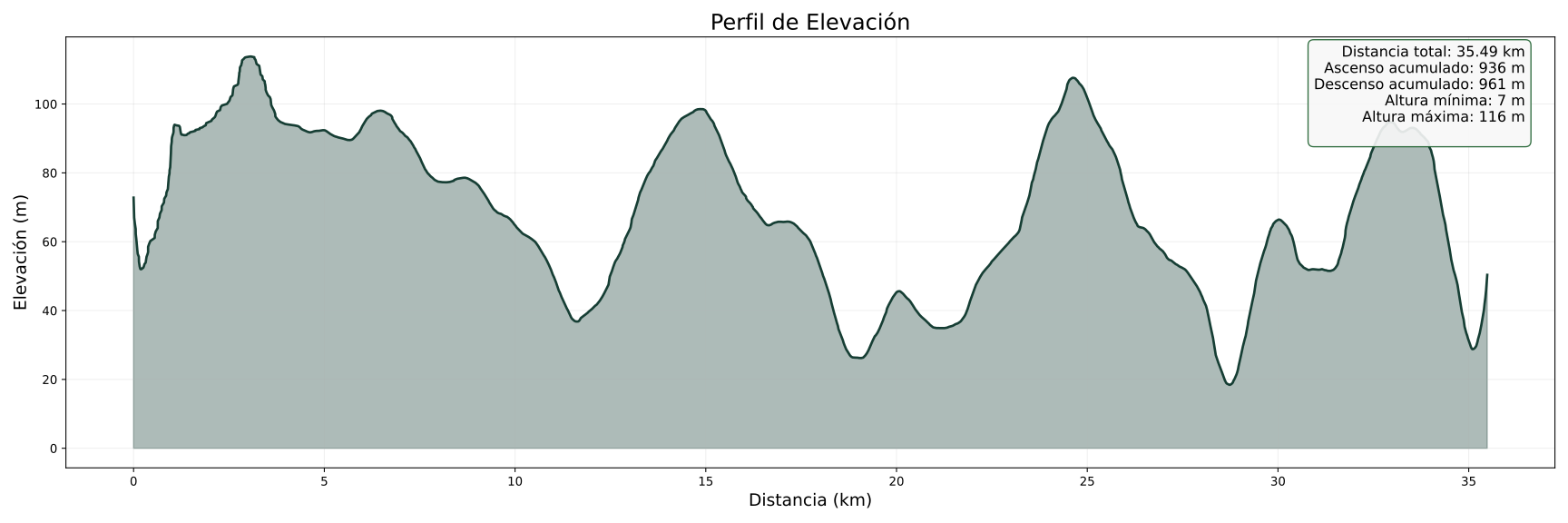
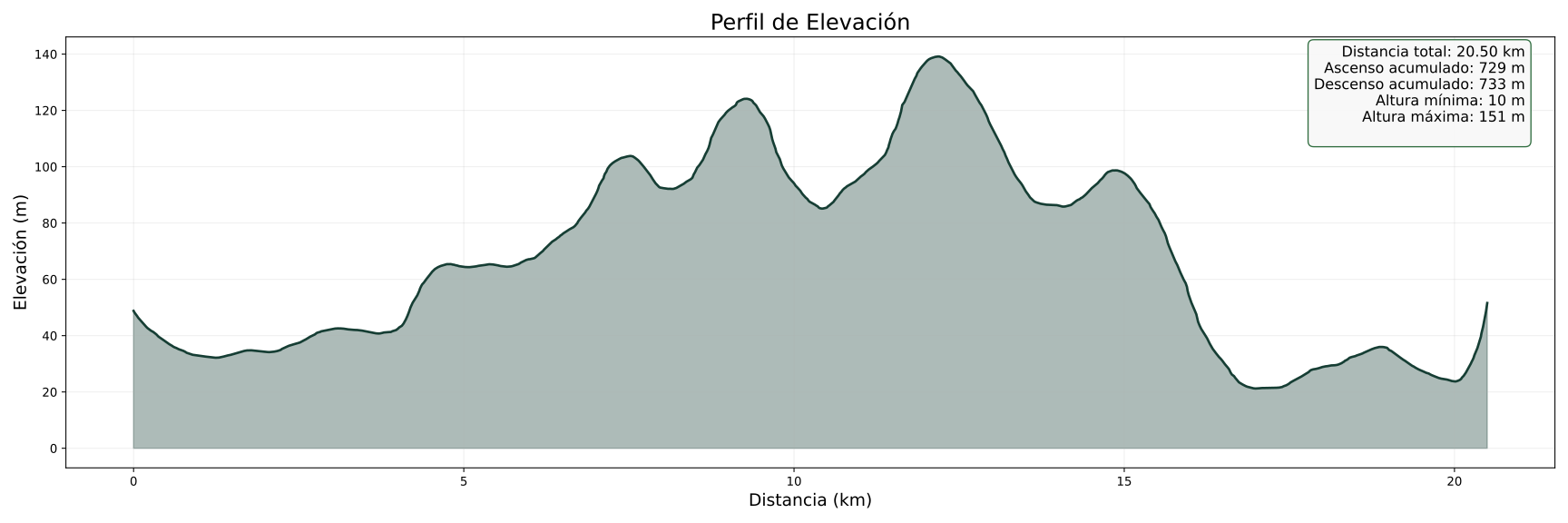
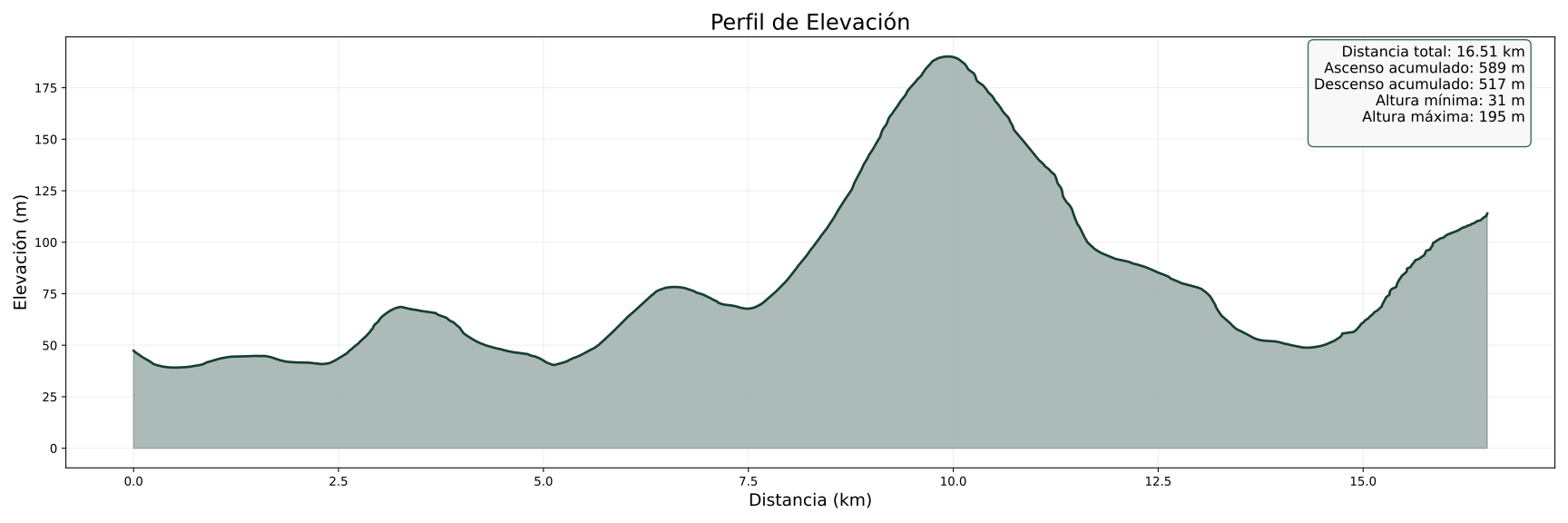
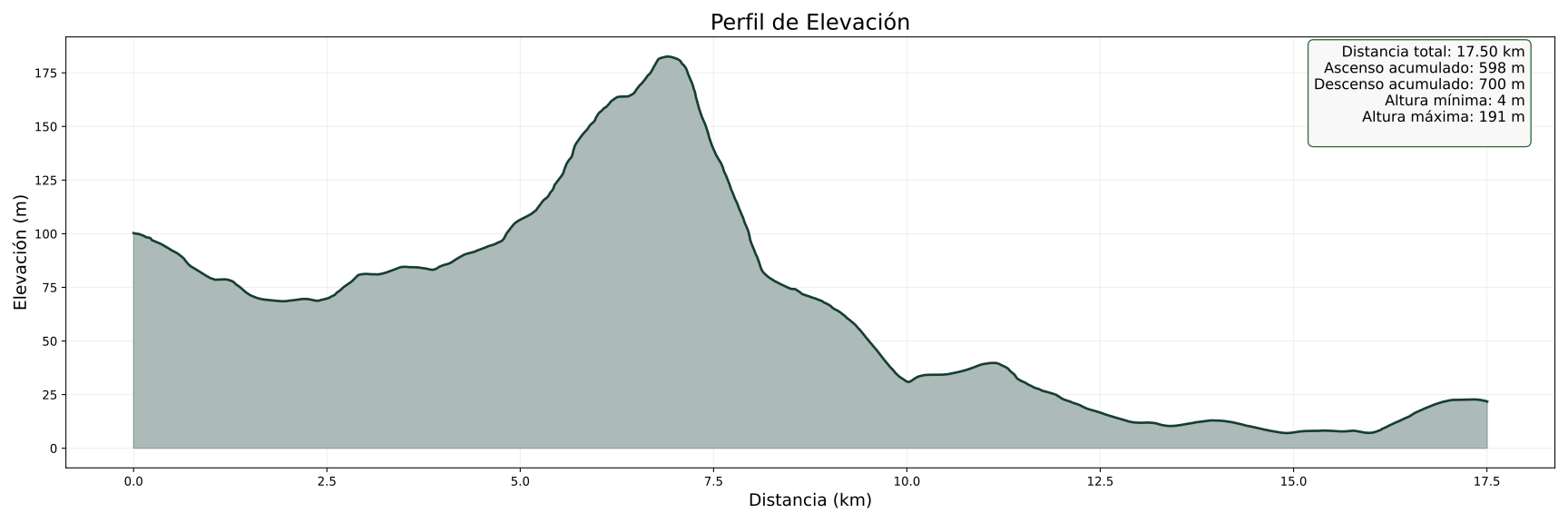
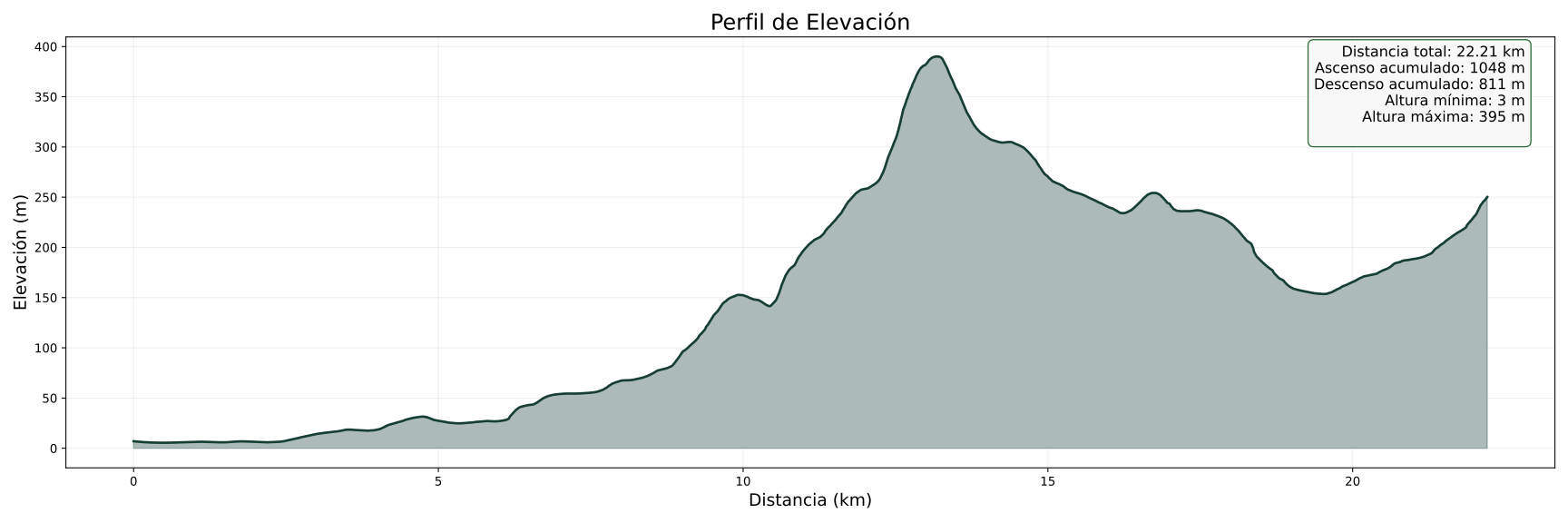
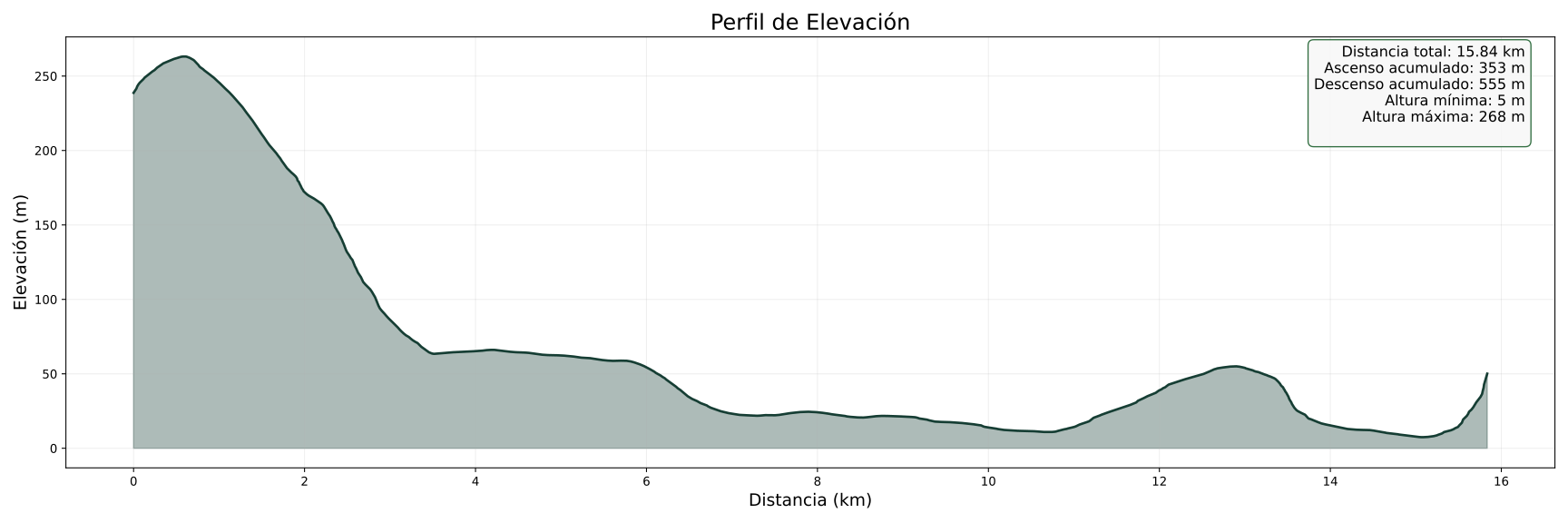
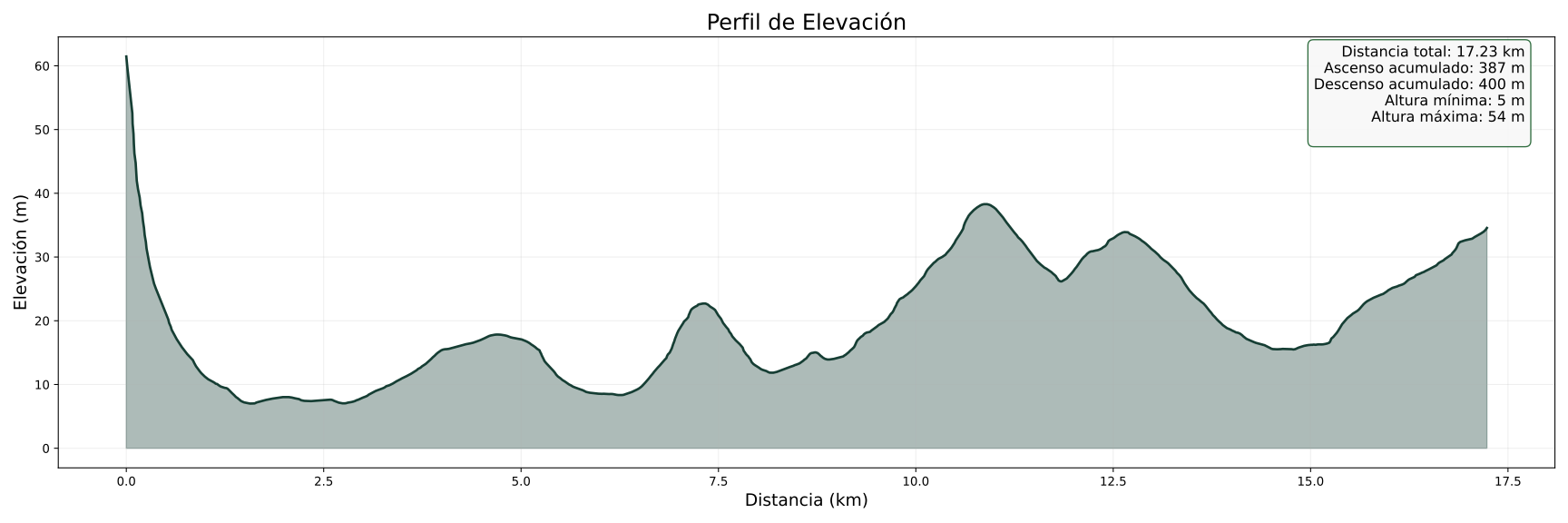
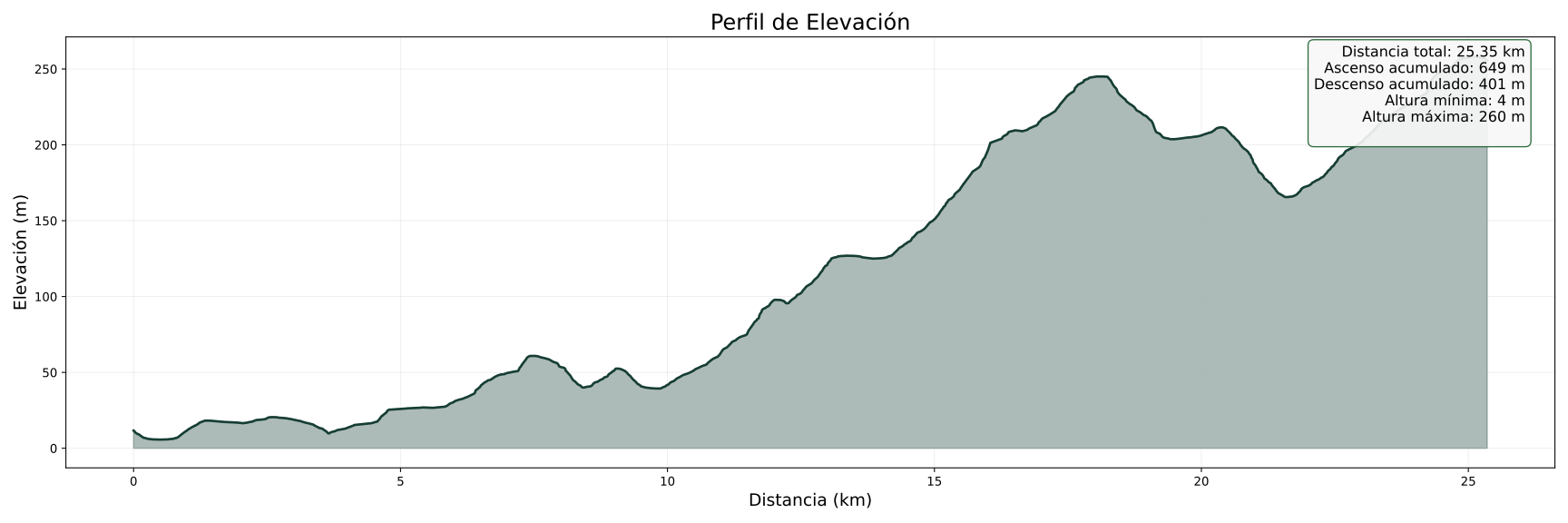
The profile of the Central Way is varied and dynamic: it combines long flat stretches with demanding climbs, especially in central Portugal and on the last Galician section. Its mix of dirt tracks, minor roads, forest paths and urban sections makes it an accessible itinerary for cyclists with basic experience, good fitness and a desire to take on a balanced challenge.

Frequently Asked Questions

Trip Planning

This Portuguese Way can be cycled at any time of year, although we recommend May, June, September and October. It is possible to ride this route in summer, but we recommend avoiding the middle of the day because of the heat.

To complete the whole route we recommend around 15 days starting from Lisbon. If you start from Porto, you can do it in just 9 days. At Camino en bici we can adapt the route and daily distances to your needs and preferences.

Yes, of course. We design customised bike routes to suit your needs. If you prefer shorter stages or have less time, we can adapt the itinerary.

The Portuguese Coastal Way has less cumulative elevation gain and runs close to the coast, while the Portuguese Central Way heads inland through forests, mountains and rural areas, so it has more elevation gain. Both Caminos meet in Redondela, Galicia.

The Compostela and Regulations

Yes, to obtain the Compostela by bike you must ride the last 200 km on a “muscle-powered” (non-assisted) bike. The recommended minimum starting point is Porto, which is roughly that distance from Santiago de Compostela. You must also get your Pilgrim’s Credential stamped at least twice a day along that section.

Preparation and Packing

This route is of medium difficulty: it combines long flat stretches with some demanding climbs, especially in central Portugal and on the last Galician section, so a good level of fitness is recommended.

A helmet is essential. We recommend wearing suitable technical clothing for cycle touring; ideally, dress in several layers so you can easily regulate your temperature throughout the stage. Always pack waterproof, breathable clothing for rain and wind.

We take care of transferring your luggage between accommodations, so during the stages you only need to ride with what you need for the day (water, food, basic tools and a warm layer or rain jacket).

Navigation and Safety

Yes. We provide digital documentation that includes detailed maps and, most importantly, the GPS track for your device or phone. We also include short descriptions of the stages, alternative bike-friendly sections and the main points of interest.


The Camino is perfectly signposted and well suited to pilgrims travelling by bike. It is essential to remember that walking pilgrims always have priority. There are a few specific sections that are not rideable, for which we provide safe alternatives so you can carry on without any hassle.

Yes, they are mandatory and highly recommended.

  • Helmet: Under Spanish law, wearing one is mandatory for under-16s on all roads. For adults, it is mandatory on interurban roads (outside built-up areas).
  • Tools: Although we transfer your main luggage, it is essential to carry a basic tool kit (for fixing punctures, etc.), as well as water, food and a rain jacket.

The Bike: Use, Rental and Breakdowns

The most versatile and recommended option is a mountain or gravel bike, as they are best suited to the Camino’s varied surfaces and terrain. If you are looking for comfort or need to cover longer stages, you can opt for an electric bike (e-bike). We also offer personalised advice for road and trekking bikes.

Of course. We recommend giving it a full service before you set off to make sure it is in perfect mechanical condition.

Yes. We have a wide range of rental bikes (MTB, gravel, e-bikes, hybrids, road…) that meet our strict quality standards. All of them are checked by our technical department before and after every trip.

Don’t worry. Our rental bikes come with a basic repair kit, and we also provide instructions for fixing simple breakdowns. In addition, we give you a 24-hour assistance number for emergencies, and we have a network of specialist bike workshops along the Camino.

Tips for your Camino

Featured in

Privacy Overview

This website uses cookies so that we can provide you with the best user experience possible. Cookie information is stored in your browser and performs functions such as recognising you when you return to our website and helping our team to understand which sections of the website you find most interesting and useful.