Cycling The Portuguese Coastal Camino

One of the most spectacular routes of the Way of St. James.

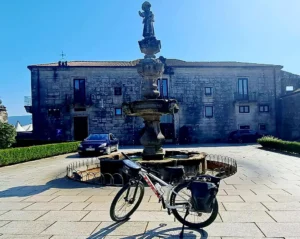
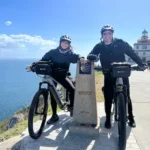
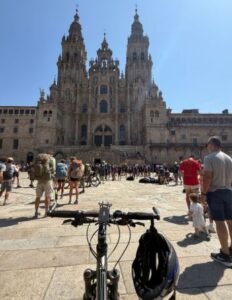
The Portuguese Coastal Way by bike is one of the most spectacular routes of the Way of St. James. From Porto to Santiago de Compostela, you will ride alongside the sea and discover beaches, charming fishing villages and an exceptional range of food, wine and culture that enriches every stage. Thanks to its excellent signposting and infrastructure that is increasingly suited to cycle touring, this route is ideal both for experienced cyclists and for those doing the Camino de Santiago by bike for the first time.

This route joins the Portuguese Central Way in Redondela.

Physical Difficulty

Medium-Low

Technical Difficulty

Medium-Low

Approximate Distance

282 km

Elevation

+3.55k -3.37k

Main Surface

Very varied (cobblestones, asphalt, dirt, gravel)

Recommended Bike Type

Gravel, Trekking, MTB, E-Bike

Highlight

Coastal scenery and a peaceful atmosphere

Best Time to Go

Spring and Autumn

The best routes on The Portuguese Coastal Camino

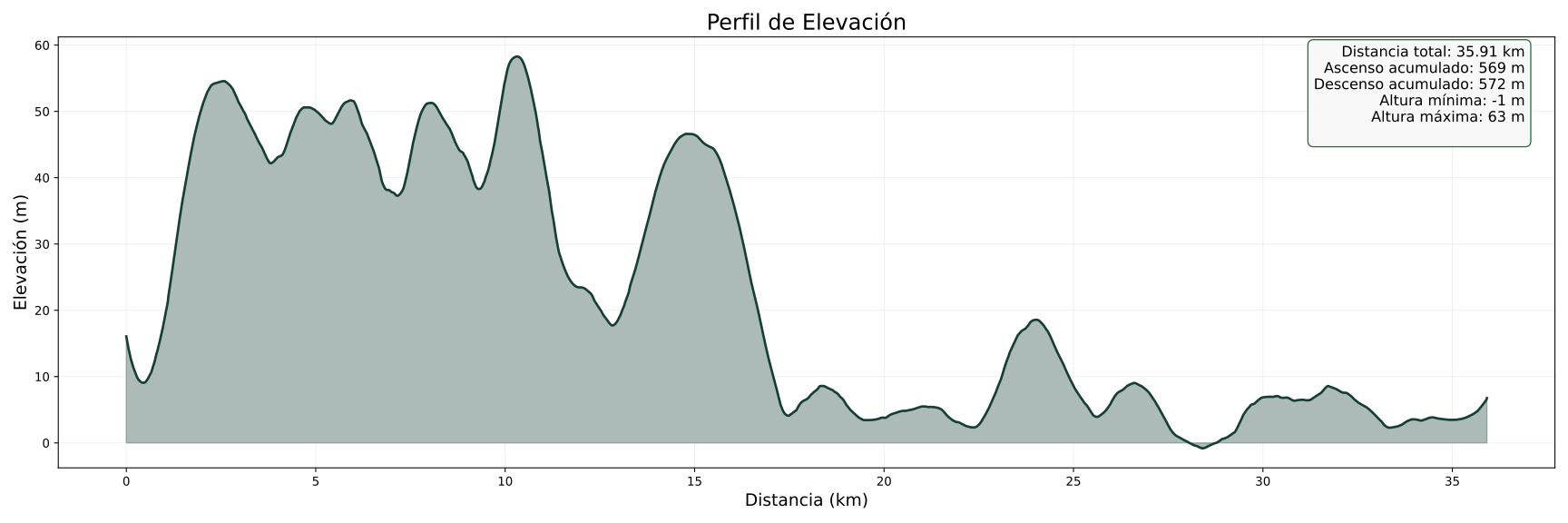
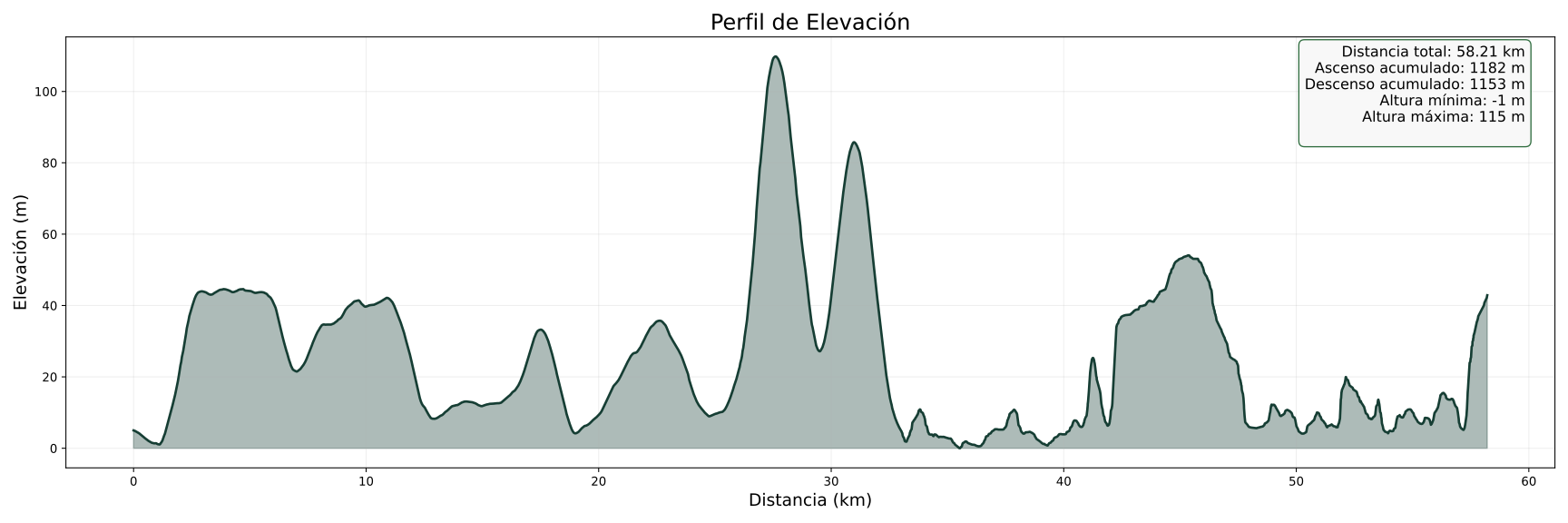
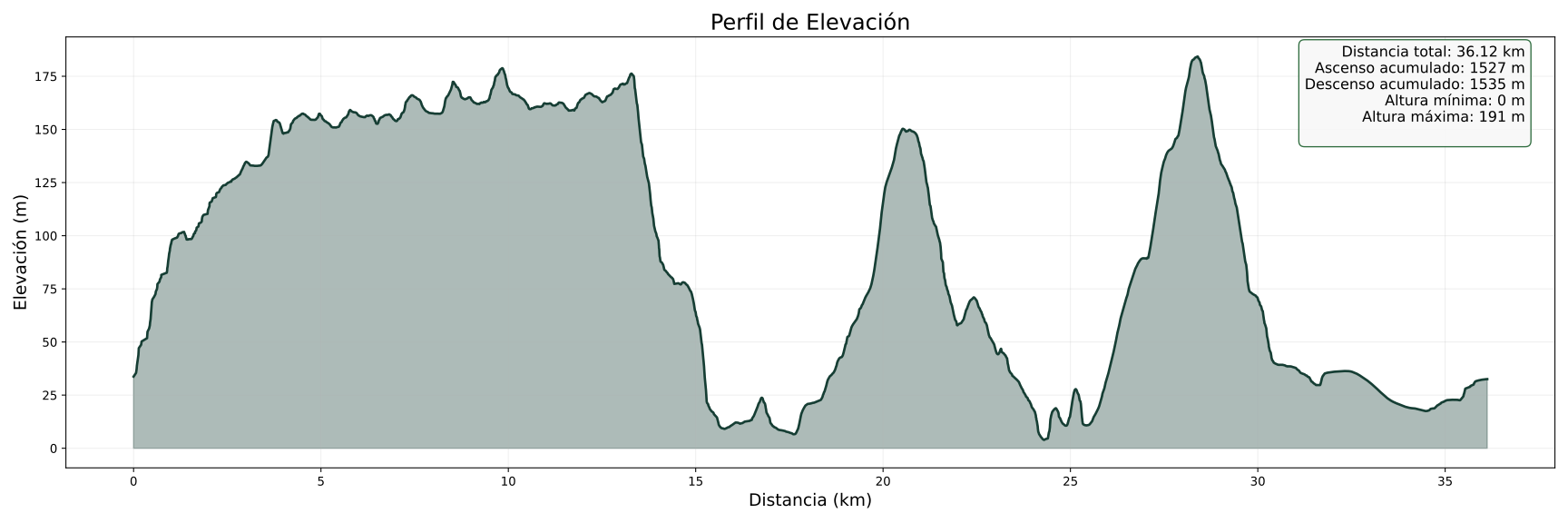
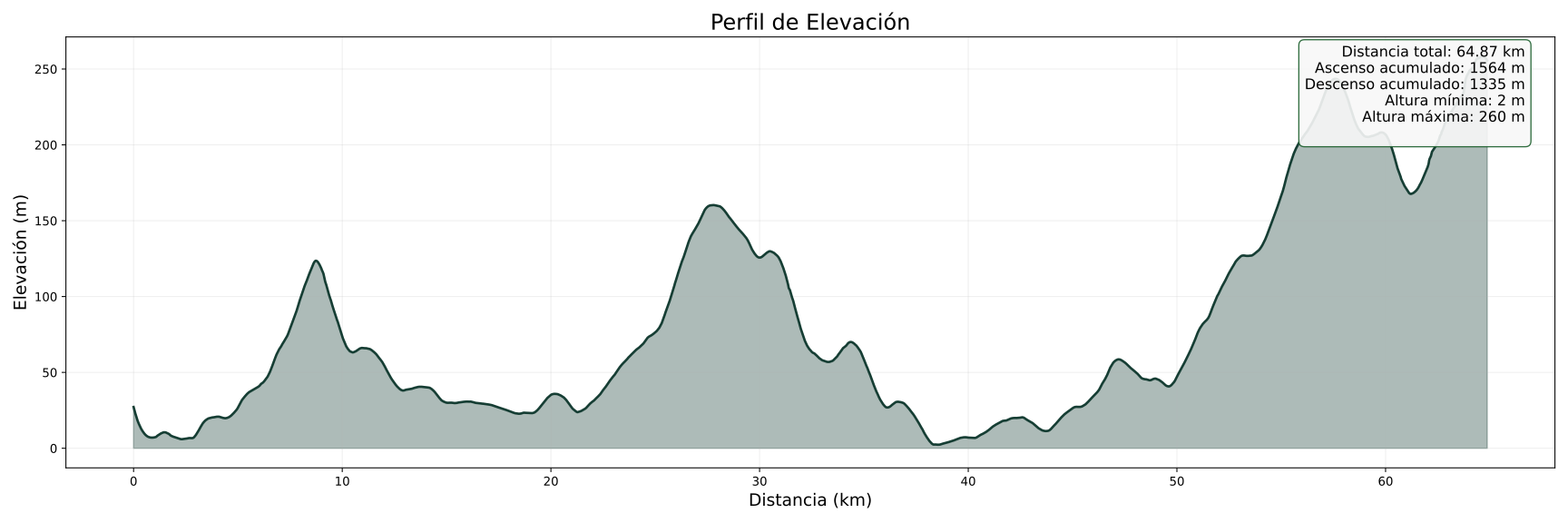
Stages of the Portuguese Coastal Camino

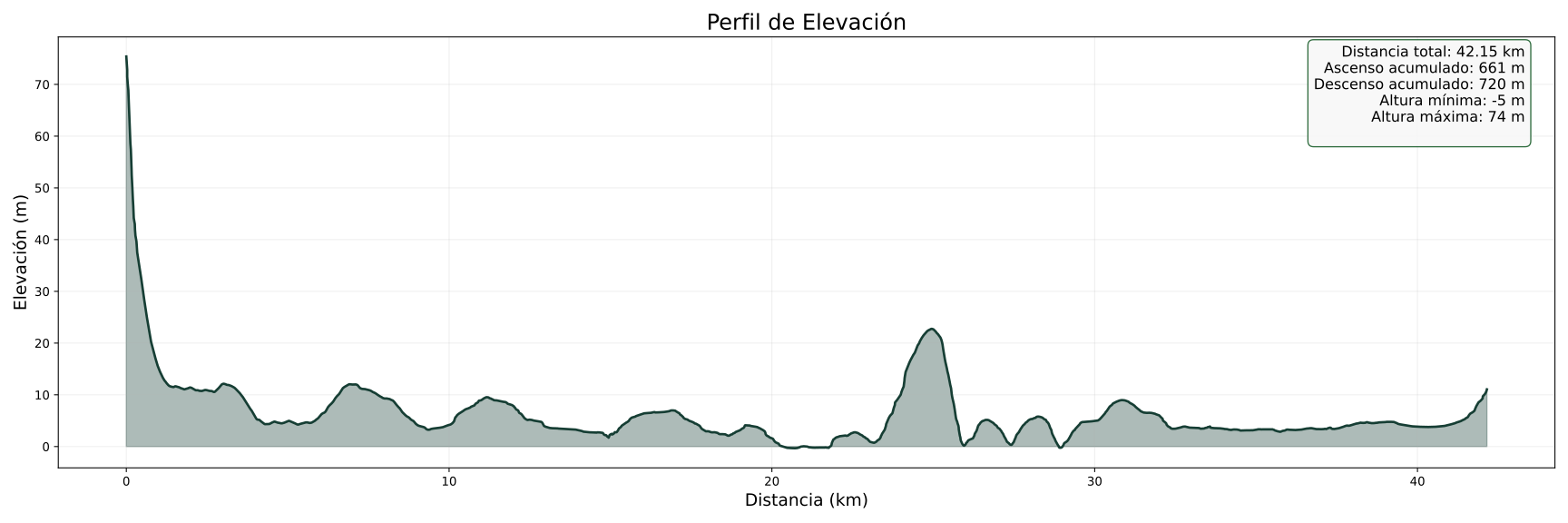
Km: 42 km

Elevation gain: +343 m

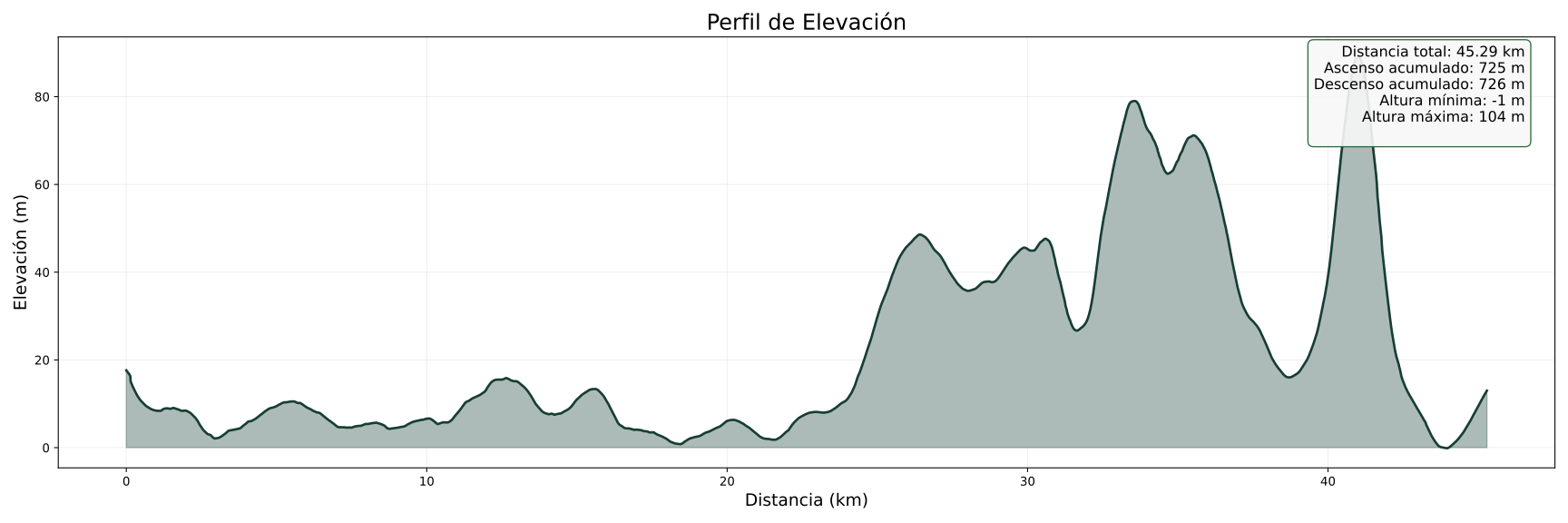
Km: 48 km

Elevation gain: +420 m

Km: 39 km

Elevation gain: +425 m

Km: 59 km

Elevation gain: +1023 m

Km: 36 km

Elevation gain: +589 m

Km: 40 km

Elevation gain: +463 m

Km: 25 km

Elevation gain: +436 m

Customer reviews

Camino Portugués Coastal: The coastal route to Santiago

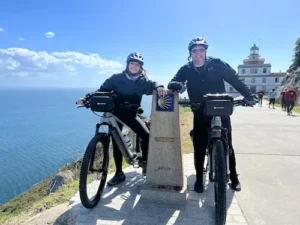
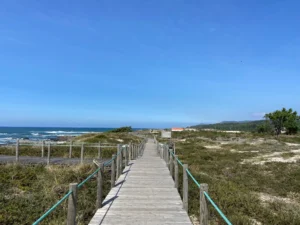
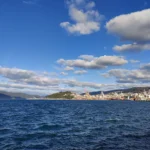
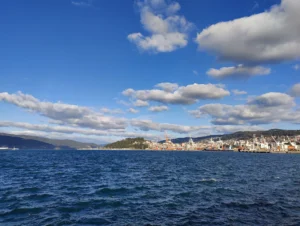
Portugal is home to many routes, and the Portuguese Coastal Way of the Camino de Santiago stands out as one of the most spectacular, growing in popularity every year thanks to its seaside scenery. Riding alongside the Atlantic, among beaches, cliffs and fishing harbours, will immerse you in a unique experience. Along the way, you will discover the rich traditions, culture and gastronomy that characterise both Portugal and Galicia.

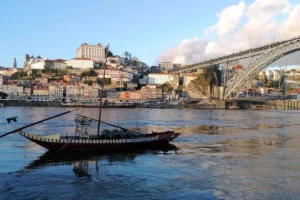
This itinerary starts in Porto, a UNESCO World Heritage Site, and follows the coastline, taking in the beauty and interest of towns such as Vila do Conde, Esposende and Viana do Castelo. The route ends its last Portuguese stage in Caminha, where you cross the River Miño by boat to A Guarda and enter Galicia.

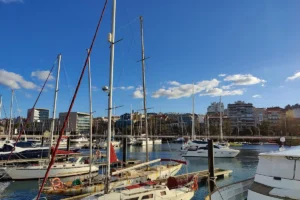
On Galician soil, the Camino continues along the Atlantic, passing through coastal towns such as Baiona and Vigo. Finally, it joins the Portuguese Central Way in Redondela, from where the route continues inland towards Santiago de Compostela.

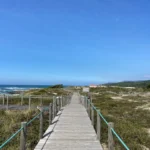
The profile of the Portuguese Coastal Way by bike is mostly flat, combining cobbled sections, cycle lanes, seafront promenades and minor roads. The mix of coastal tracks, paths and paved sections makes it accessible to all kinds of cyclists and a perfect option even for those who prefer to ride an electric bike (e-bike). Once in Galicia, the terrain becomes more rolling, giving way to the corredoiras (traditional country lanes) that will take you through Atlantic forests. 

The qualities of this route are hard to match: nature, sea, culture and gastronomy in a single itinerary. The Portuguese Coastal Way is the perfect choice.

Frequently Asked Questions

Trip Planning

This Camino can be done at any time of year, although we recommend May, June, September and October. It is possible to ride this route in summer, but we recommend avoiding the middle of the day because of the heat.

To complete the whole route we recommend around 9 days. However, unlike walking pilgrims, there are no standard stages for cyclists. We adapt the route and daily distances to your fitness, the time you have available and the terrain.

Yes, of course. We design customised bike routes to suit your needs. If you prefer shorter stages or have less time, we can adapt the itinerary.

Yes. We offer the option of doing it as a group with your family or friends. You can ride from Porto to Santiago with a support vehicle and driver who will set meeting points throughout each stage.

The Portuguese Coastal Way has less cumulative elevation gain and runs close to the coast, while the Portuguese Central Way heads inland through forests, mountains and rural areas.

The Compostela and Regulations

Yes, to obtain the Compostela by bike you must ride the last 200 km on a “muscle-powered” (non-assisted) bike. The recommended minimum starting point is Porto, which is roughly that distance from Santiago de Compostela. You must also get your Pilgrim’s Credential stamped at least twice a day along that section.

Preparation and Packing

This route is of medium-low difficulty, with gentler stages, ideal for enjoying the scenery without great physical demands.

A helmet is essential. We recommend wearing suitable technical clothing for cycle touring; ideally, dress in several layers so you can easily regulate your temperature throughout the stage. Always pack waterproof, breathable clothing for rain and wind.

We take care of transferring your luggage between accommodations, so during the stages you only need to ride with what you need for the day (water, food, basic tools and a warm layer or rain jacket).

Navigation and Safety

Yes. We provide digital documentation that includes detailed maps and, most importantly, the GPS track for your device or phone. We also include short descriptions of the stages, alternative bike-friendly sections and the main points of interest.

The Camino is perfectly signposted and well suited to pilgrims travelling by bike. It is essential to remember that walking pilgrims always have priority. There are a few specific sections that are not rideable, for which we provide safe alternatives so you can carry on without any hassle.

Yes, they are mandatory and highly recommended.

  • Helmet: Under Spanish law, wearing one is mandatory for under-16s on all roads. For adults, it is mandatory on interurban roads (outside built-up areas).
  • Tools: Although we transfer your main luggage, it is essential to carry a basic tool kit (for fixing punctures, etc.), as well as water, food and a rain jacket.

The Bike: Use, Rental and Breakdowns

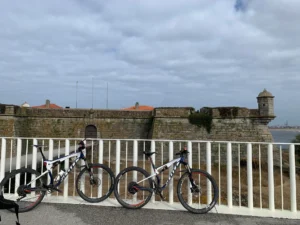
The most versatile and recommended option is a mountain or gravel bike, as they are best suited to the Camino’s varied surfaces and terrain. If you are looking for comfort or need to cover longer stages, you can opt for an electric bike (e-bike). We also offer personalised advice for road and trekking bikes.

Of course. We recommend giving it a full service before you set off to make sure it is in perfect mechanical condition.

Yes. We have a wide range of rental bikes (MTB, gravel, e-bikes, hybrids, road…) that meet our strict quality standards. All of them are checked by our technical department before and after every trip.

Don’t worry. Our rental bikes come with a basic repair kit, and we also provide instructions for fixing simple breakdowns. In addition, we give you a 24-hour assistance number for emergencies, and we have a network of specialist bike workshops along the Camino.

Tips for your Camino

Featured in

Privacy Overview

This website uses cookies so that we can provide you with the best user experience possible. Cookie information is stored in your browser and performs functions such as recognising you when you return to our website and helping our team to understand which sections of the website you find most interesting and useful.